A reconditioned gearbox in Melbourne runs roughly $1,800 to $3,500 for the unit, plus removal and fitting. A full replacement on the wrong car can pass $10,000. But a fair share of the gearboxes that come in convinced they need rebuilding actually need a solenoid, a fluid service, or a mount.
That gap is the whole point of this guide. Before anyone quotes you thousands, the cheap faults have to be ruled out, and plenty of workshops skip that step.
Gearbox prices in Melbourne, 2026
These are estimates only, a guide to help you budget rather than a quote. Your price depends on whether the box is manual or automatic, two-wheel or four-wheel drive, how far the damage has gone, and what comes back from the strip-down. Every gearbox job here starts with a proper diagnosis and a written quote.
| Job | Typical price |
|---|---|
| Transmission fluid and filter service | $250 – $550 |
| Solenoid or valve body replacement | $600 – $1,600 |
| Clutch replacement, manual | $1,200 – $2,800 |
| Manual gearbox recondition | $1,800 – $3,500 |
| Automatic gearbox recondition | $2,500 – $5,000 |
| Reconditioned exchange box, fitted | $3,500 – $7,500 |
| Dual-clutch or European automatic | $4,000 – $12,000 |
Manual boxes in common cars sit at the bottom. Dual-clutch transmissions, 4WD boxes with a transfer case attached, and European automatics with adaptive programming sit at the top, partly for parts and partly because they need coding to the car afterwards.
The cheap faults that look expensive
This is where we save people the most money, so it goes near the top rather than buried at the bottom.
Harsh or delayed shifting on an automatic. Very often burnt fluid or a sticking solenoid, not worn gears. A fluid and filter service on a box that has never had one can transform it. The catch is that this only works if you do it before the clutch packs are cooked.
Clunk when engaging drive or reverse. Frequently an engine or gearbox mount, which is a couple of hundred dollars. It gets mistaken for internal wear constantly.
Slipping that appeared suddenly with a warning light. Usually electronic, a solenoid or a speed sensor, rather than mechanical. Worth a scan before anything comes apart.
Vibration under acceleration. Often the tailshaft or a universal joint rather than the box itself. Our driveshaft guide covers that, and it’s a far cheaper repair.
Difficulty selecting gears in a manual. Sometimes the clutch hydraulics or a worn linkage, not the gearbox. Cheap to check, expensive to assume.
The pattern is that electronic and external faults are cheap and internal wear isn’t, and you can’t tell the two apart from the driver’s seat. An hour of diagnosis before a rebuild quote is money well spent.
The symptoms that usually are internal
Whine or growl that changes with road speed and stays in every gear. Bearings.
Grinding into a particular gear on a manual. A worn synchro. Often just one gear, usually second or third.
Jumping out of gear. Worn selector forks or bearings, and it gets worse quickly.
Metal in the oil. A fine grey sludge on the drain plug is normal wear. Glitter or chips isn’t, and it means the box has to come apart.
Slipping that builds over months on an automatic. Clutch pack wear. Once the fluid smells burnt and the slip is under load, a service won’t save it.
What moves the price up or down
Automatic versus manual. Manuals are simpler, cheaper to recondition, and a clutch is a known quantity. Automatics have hydraulics, electronics and clutch packs, and dual-clutch units add a mechatronic unit that’s expensive on its own.
Recondition versus exchange. Sometimes a reconditioned exchange unit is cheaper and faster than rebuilding yours, especially where the case is damaged or parts are slow. A workshop that does driveline work regularly should price both and show you the difference.
Genuine versus aftermarket parts. Bearing and seal kits come both ways, and on common boxes quality aftermarket kits are excellent. Some European units are genuine only. We price both where a real choice exists.
Coding afterwards. Modern automatics learn your driving and have to be reset and adapted to the car once fitted. Skipping that’s why some rebuilt boxes shift badly from day one.
Whether the clutch or torque converter goes back in. Reusing a worn torque converter behind a freshly rebuilt automatic is the fastest way to do the job twice. If debris went through the box, the converter is contaminated too.
Is it worth it?
The same test as any big repair. If the gearbox costs more than the car is worth with a good one in it, stop and put the money toward something else. If the body and engine are sound and you know the car’s history, a reconditioned box is usually the cheapest way to keep a good vehicle for years.
Utes and 4WDs almost always justify it. Older small cars often don’t. We’ll tell you which one yours is, including when the answer is that it’s not worth the spend.
The table above is for budgeting only. Your real number depends on your exact vehicle, what the strip-down finds, and the parts choice.
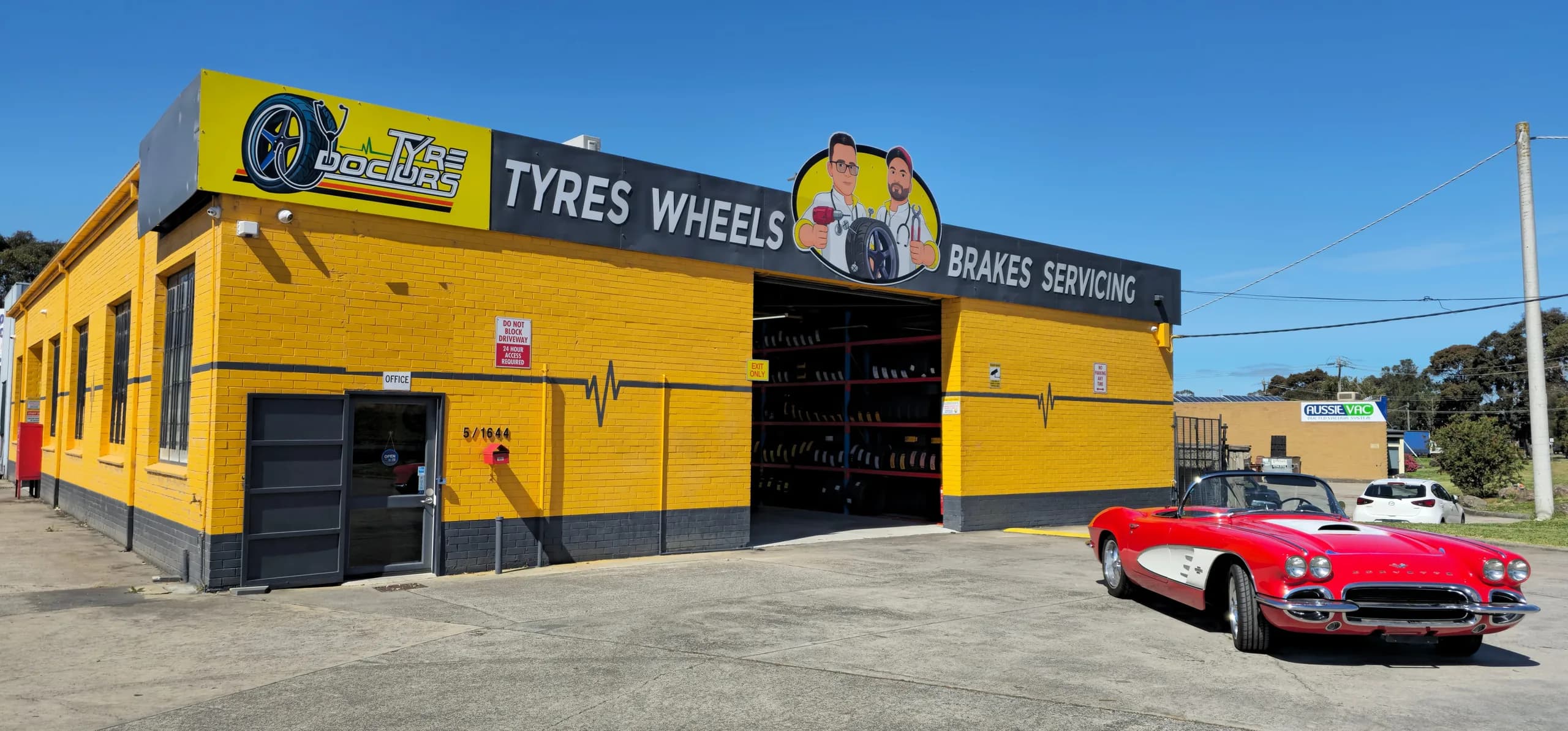
Call 03 9763 0100 or book through our gearbox repairs and reconditioning page. We’re at 5/1644 Ferntree Gully Road, Knoxfield, and we’re open Saturdays.