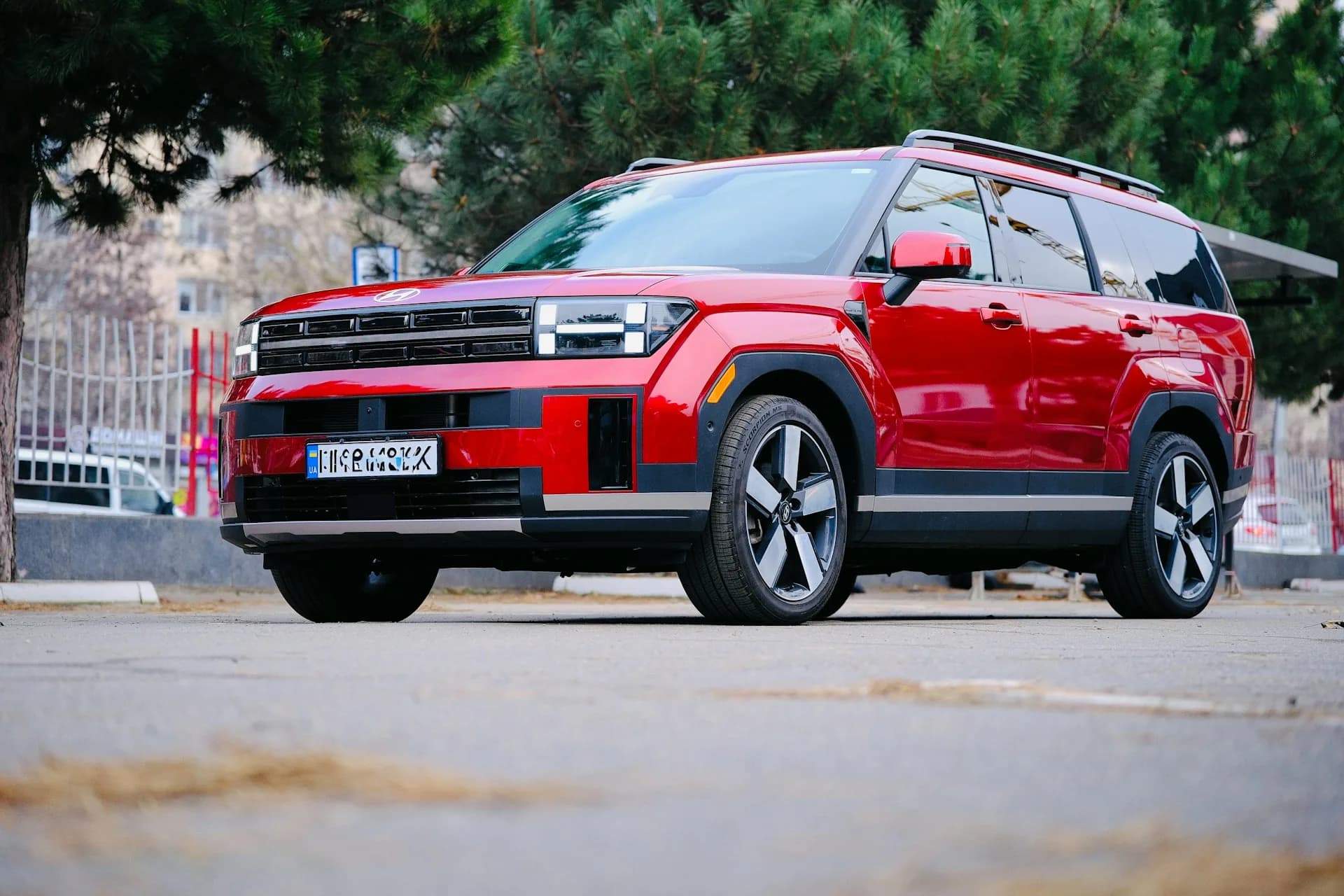
Choosing SUV tyres in Melbourne sounds simple until you stand in front of the wall and realise there are three main categories, half a dozen brands, and a load rating system designed by someone who didn’t want you to understand it. The good news is that 90% of SUV and 4WD owners need one of three tyre types. Match the right one to how you actually drive and you save a lot of money and grief.
This guide covers HT, AT and MT tyres, what the numbers on the sidewall mean, and how to pick the right combination for typical Melbourne driving. That usually means heavy city kilometres with the occasional weekend run to the bush, the snow or the beach.
The three SUV / 4WD tyre types
Almost every SUV or 4WD tyre falls into one of these three categories.
Highway Terrain (HT). Made for sealed roads. Quiet, long-wearing, good in the wet and easy on fuel. The default fitment on most factory SUVs.
All Terrain (AT). A compromise tyre. Capable on gravel, light mud, sand and rough tracks, while still fine on sealed roads. Noisier and shorter-lived than an HT, but it won’t leave you stranded on a forest track.
Mud Terrain (MT). Aggressive tread built for deep mud, rocks and serious off-road work. Loud on the freeway and quick to wear on bitumen, but hard to beat when conditions get properly ugly.
The honest answer for most Melbourne SUV owners, even the ones with a Prado, Ranger or 200 Series, is HT or at most AT. Mud terrains are overkill unless you do serious off-road touring several times a year.
Highway Terrain (HT): best for school run, freeway, occasional gravel
If your SUV mostly does the school run, the supermarket, the daily commute and maybe a couple of weekends a year on graded gravel, HT tyres are almost certainly the right choice.
Pros:
Quietest of the three on sealed roads.
Longest wear life. 60,000–80,000 km is realistic on a Bridgestone Dueler H/T or Michelin Latitude.
Best wet grip on the wet bitumen Melbourne throws at you in winter.
Best fuel economy of the three.
Lowest price per tyre, generally.
Cons:
Limited off-road ability beyond well-graded gravel.
Sidewalls are less puncture-resistant than an AT, so take care around sharp rocks.
Typical fitments: Bridgestone Dueler H/T, Michelin LTX / Latitude, Pirelli Scorpion HT, Continental CrossContact, Goodyear Wrangler HT.
All Terrain (AT): best for city + real weekend touring
AT tyres are the right choice if you regularly head off the bitumen. Think Wonnangatta, Big River, Cape York-style trips, Lerderderg or High Country tracks, or beach driving down the coast.
Pros:
Capable on gravel, mud (within reason), sand and rocky ground.
Tougher sidewalls. Most top-end ATs use three-ply construction.
A more aggressive tread that bites into loose surfaces.
Still road-legal and fine on the freeway for normal commuting.
Cons:
Noisier than an HT at freeway speed, especially as they wear.
Shorter life, typically 40,000–60,000 km.
Slightly less wet grip on smooth bitumen than an HT.
Higher fuel use (typically 3–5%).
Typical fitments: BFGoodrich All-Terrain T/A KO2, Bridgestone Dueler A/T, Michelin LTX A/T 2, Toyo Open Country A/T III, Cooper Discoverer AT3.
Mud Terrain (MT): only if you actually do hard off-road
MT tyres are the right pick for serious 4WD touring, mud-heavy trails, rock crawling or competition off-road. They’re not the right pick for an SUV that mostly drives to the Glen Waverley shops.
Pros:
Unmatched grip in deep mud, soft sand and over rocks.
Very tough sidewalls and tread blocks.
Self-cleaning tread. Mud flings out as the tyre spins.
Cons:
Very loud on the freeway. Many drivers can’t put up with it on a daily commute.
Short wear life, often 30,000–45,000 km.
Less wet grip on smooth bitumen.
A noticeable fuel economy penalty (5–10%).
If you’re considering MTs, be honest about how often you actually go off-road. For most weekend tourers, an aggressive AT (KO2 or Toyo MT) gets you 90% of the capability with 10% of the daily-driving pain.
If you do need them, we stock a range on our 4WD and all-terrain tyre page.
Reading the sidewall: load rating, speed rating and “LT” marking
Your SUV’s tyre sidewall has a string like 265/60R18 110H. Here’s what each part means.
265 is the tyre width in mm.
60 is the aspect ratio. The sidewall is 60% of the tread width tall.
R18 means radial construction on an 18-inch rim.
110 is the load index. 110 = 1,060 kg per tyre.
H is the speed rating. H = 210 km/h.
For SUVs and 4WDs, three things matter.
Match the load index to your placard. If your factory placard says 110, don’t fit a 105. The lower rating may be illegal and it definitely overloads the tyre when you’re packed for a weekend away.
Match or exceed the speed rating. Most factory SUV fitments are H (210 km/h) or V (240 km/h). You’ll never hit those speeds, but the rating relates to how the tyre is built.
Look for “LT” on the sidewall. LT means Light Truck construction, a tougher tyre built for the loads, towing and rough surfaces a 4WD or large SUV puts through it. Most serious 4WDs (Hilux, Ranger, Prado, 200/300 Series) should run LT-rated tyres.
If you’re not sure what your car’s correct fitment is, check the door placard or look up your tyre size on our tyres by size page.
Melbourne-specific things to think about
A few things that affect SUV tyre choice in Melbourne specifically.
Snow chains for the Alpine roads. If you head to Falls, Hotham, Buller or Baw Baw in winter, your tyres need to suit diamond-pattern chains. Most ATs do. Some HTs have low clearance and don’t. Worth checking before the chain signs go up at the resort gate.
Wet bitumen. Melbourne gets long stretches of heavy rain through autumn and winter. Don’t give up wet grip for off-road ability you won’t use.
Towing. If you tow a caravan, boat or trailer regularly, make sure the tyre’s load rating allows for the tow ball weight as well as the car. Under-rated tyres are the most common cause of summer blowouts on holiday tow rigs.
Hot summer days. A heavy SUV on under-inflated tyres in 35°C+ heat is a blowout waiting to happen. Pressures matter more than you think.
Wheel alignment matters even more on a heavy SUV
SUVs and 4WDs are heavy. When the alignment is out they scrub tyres far harder than a Camry does, and can ruin a brand new $400 tyre in under 10,000 km. Always get a wheel alignment done at the same time as new SUV tyres. Always.
Get a quote for SUV or 4WD tyres in Melbourne
Tell us your car (make, model, year), where you mostly drive, and any weekend plans (touring, towing, snow), and we’ll quote you Bridgestone, Michelin and a budget-friendly third option side by side. No pressure to buy.
Call 03 9763 0100 or drop in to 5/1644 Ferntree Gully Road, Knoxfield. Book a free tyre check first if you’d like an honest read on whether your current tyres are actually due. Open Mon–Fri 8–5, Sat 10–3.