The check engine light is the amber engine-shaped symbol on your dash. When it comes on, the car's computer has logged a fault somewhere in the engine, fuel or emissions system. What the light can't tell you is how serious that fault is.
This guide covers what the light is doing, what usually sets it off, and when you should stop driving.
Steady or flashing?
Steady light, and the car drives normally. The fault is real, but it's rarely urgent. Drive gently and book a scan in the next few days.
Steady light, and the car feels different. A rough idle, hesitation, less power or worse fuel use means the fault is already affecting the engine. Book it in sooner.
Flashing light. This usually means a misfire. Unburnt fuel goes into the exhaust, and that can ruin the catalytic converter quickly. Ease off, avoid hard acceleration and get off the road as soon as it's safe. Call us before you drive any further.
A red light is a different thing. A red oil pressure or engine temperature warning means pull over and switch off now. Neither is a check engine light, and driving on can wreck the engine.
What usually turns it on
These are the causes we see most in the workshop:
- A fuel cap that's loose or cracked, or has a worn seal.
- An oxygen sensor reading out of range.
- Ignition coils or spark plugs causing a misfire.
- A dirty or failing mass airflow sensor.
- An intake or vacuum leak, often from a split hose.
- A catalytic converter that's stopped doing its job.
- On diesels, the EGR valve or the diesel particulate filter (DPF).
- A battery change or jump start, after which some modules just need resetting.
One code can come from several of these, so reading the code is only the first step. Our car diagnostic cost guide explains the difference between reading a code and finding the fault, and what each one costs in Melbourne.
What to do when the light comes on
- Check the fuel cap. Tighten it until it clicks. If that was the problem, the light can take a few drives to go out.
- Notice how the car feels. Note anything that's changed, such as a noise, a smell, less power or a shaky idle. It helps us find the fault faster.
- Look at the other lights. If anything is red, stop.
- Don't just clear it. A cheap code reader will turn the light off, but the fault stays, and the stored data that points to it is gone.
- Book a scan. Even when the car feels fine, a small fault left alone can turn into a dearer repair.
European cars
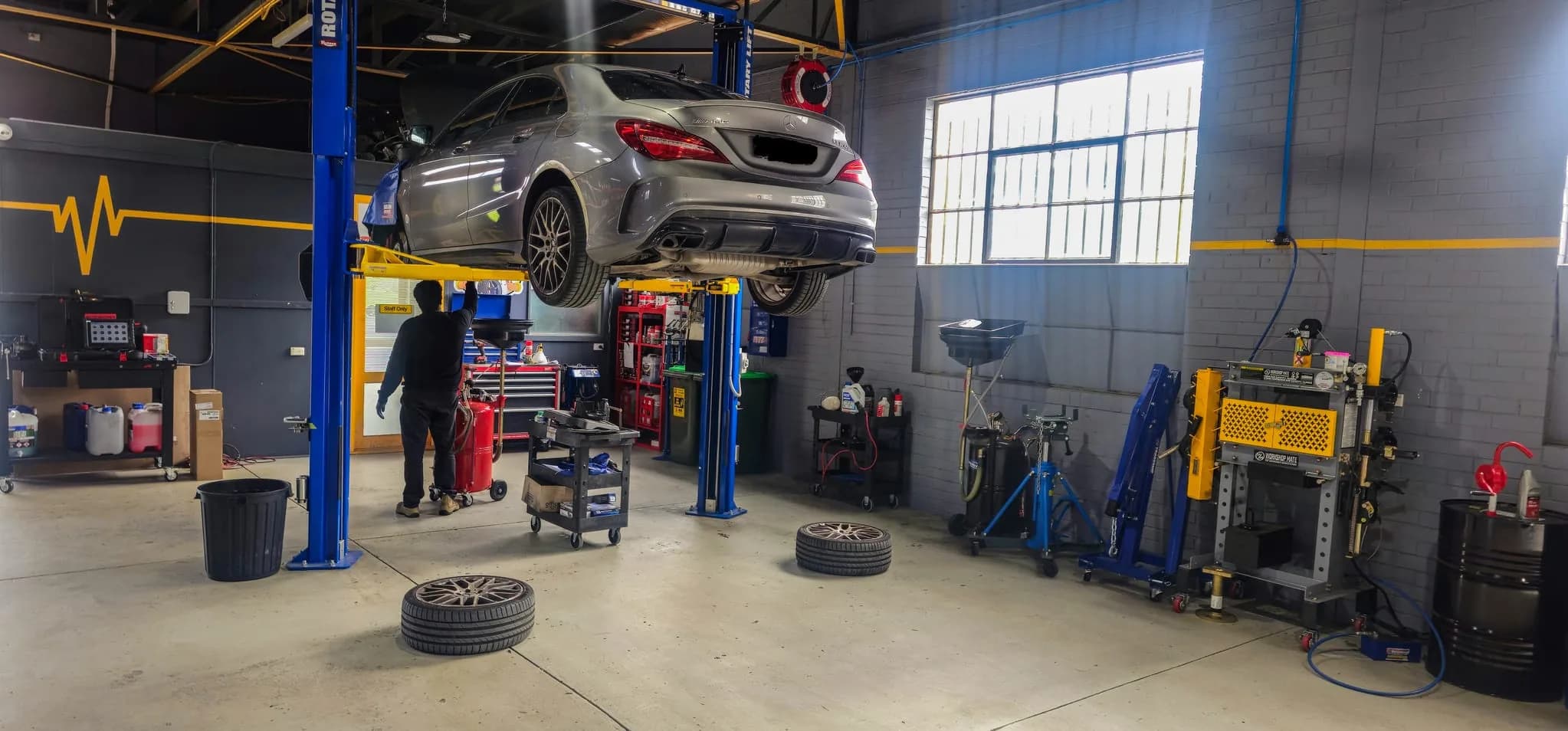
BMW, Mercedes-Benz, Audi and Volkswagen models log a lot of codes, and their systems talk to each other. One real fault can light up several warnings at once. A generic scanner often misses the detail, so we use manufacturer-level equipment on European cars.
Get it checked in Knoxfield
Call (03) 9763 0100 to book a diagnostic test, or bring the car to 5/1644 Ferntree Gully Rd, Knoxfield. If the light is flashing, ring first and we'll tell you whether it's safe to drive in.