Most ECU work in Melbourne sits between $150 and $600. That covers the coding, calibration and resets that modern cars need after a repair, which is the reason the vast majority of drivers end up looking this up.
It’s a confusing area because the same words get used for performance tuning, which is a different job at a different price. This guide separates the two and explains when your car genuinely needs coding rather than parts.
ECU programming prices in Melbourne, 2026
These are estimates only, a guide rather than a quote. What you pay depends on the make, which module is involved, and whether the work needs manufacturer-level equipment. We confirm the fee before starting.
| Job | Typical price |
|---|---|
| Fault scan and module health check | $100 – $165 |
| Adaptation reset after a repair | $120 – $250 |
| Steering angle or sensor calibration | $150 – $300 |
| Throttle body or injector coding | $150 – $350 |
| DPF forced regeneration and reset | $250 – $500 |
| Module coding after a part replacement | $250 – $600 |
| ECU replacement and programming to the car | $600 – $1,500 |
European cars sit at the top of most rows. A VW group car, a BMW or a Mercedes usually needs manufacturer-level software to write to a module at all, which is part of why dealer quotes for this work are what they are.
When a new part does nothing until it’s coded
This is the part worth understanding before you pay someone twice.
On a lot of modern cars, fitting the part is only half the repair. The car has to be told the part is there. Replace a battery on a European car and the charging system keeps treating it as old until it’s registered, which quietly kills the new battery. Fit a throttle body without coding it and the idle hunts. Replace a steering rack or do suspension work without calibrating the steering angle sensor and the stability control stays lit.
It catches people out most after a DIY repair or a cheap parts-only fix. The part is right, the fitting is right, and the car still won’t behave, because nobody wrote to the module.
Common jobs that need coding or calibration afterwards:
Battery replacement on most European cars. Registration tells the charging system it’s dealing with a new battery.
Steering, suspension or alignment work. Steering angle sensor calibration, otherwise the stability control light stays on. We do this as part of wheel alignment where the car needs it.
Throttle bodies, injectors and mass airflow sensors. Injectors in particular carry calibration codes that have to be entered per cylinder.
Brake work on cars with electric park brakes. The calipers have to be put into service mode and reset afterwards.
DPF and emissions work on diesels. A forced regeneration and a reset of the ash counters.
Replacing the ECU itself. The new unit has to be programmed with your car’s software version and matched to the immobiliser.
Tuning is a different thing
If what you actually want is more power, that’s remapping rather than programming, and it’s priced differently. A performance remap in Australia generally runs $400 to $1,200 depending on the car and the platform, and licensed tuning software for some European and Japanese models sits higher again.
Worth knowing before you book: a remap can affect your manufacturer warranty, and it can affect your insurance if it’s not declared. Anyone who tells you otherwise isn’t doing you a favour. Our work here is the repair and calibration side, keeping the car to factory specification and making the parts you’ve paid for actually work.
What moves the price up or down
The make. Toyota, Mazda and Hyundai are usually generic-tool jobs. VW, Audi, BMW, Mercedes and Volvo often need manufacturer-level software and a licence for it.
Whether the module is online or replaced. Resetting an existing module is quick. Programming a blank replacement means downloading the correct software version for your exact build, which takes time and can’t be rushed.
Security and immobiliser work. Anything touching the immobiliser is slower because of the security handshakes involved, and some of it can only be done with the car’s ownership documents.
Whether the fault was diagnosed first. Coding a module that was never the problem fixes nothing. This is why we scan and test before we write to anything.
Before you book
If a workshop has quoted you for a part and the car is still misbehaving after it was fitted, a scan is the cheapest next step, not another part. It’s genuinely common for the repair to be complete and the coding to be the only thing missing.
Bring the invoice for whatever was replaced. Knowing what has already been fitted, and when, usually points straight at what hasn’t been written to the car.
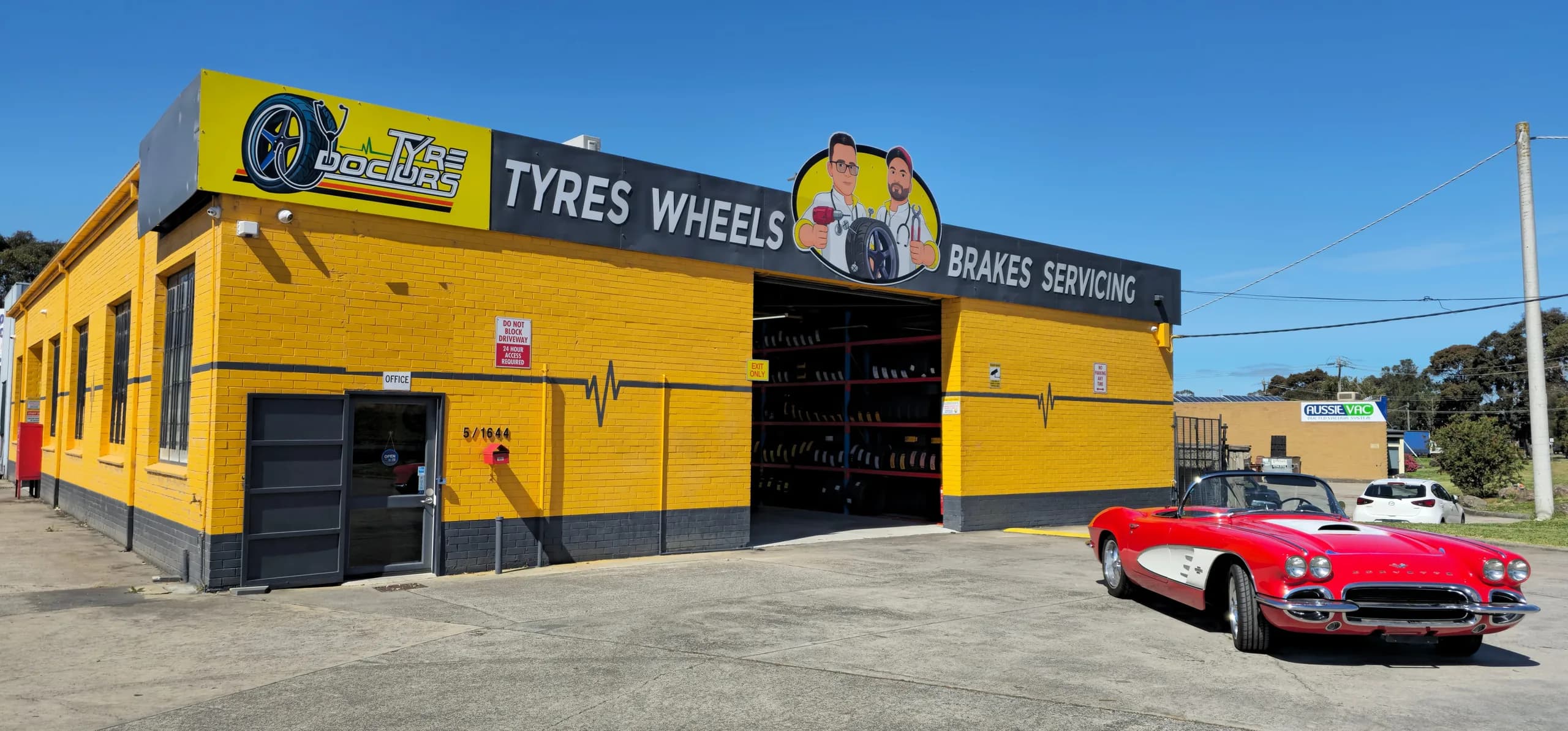
Call 03 9763 0100 or book through our ECU programming, calibration and resetting page. We’re at 5/1644 Ferntree Gully Road, Knoxfield, and we’re open Saturdays.